Guides from the workshop.
Long-form pieces on joinery, hardwoods, hardware, and gate design for the East Bay, North Bay, and the Sacramento region. Written by the team that builds the gates.
- Issues
- 28
- Categories
- 5
- Written by
- The Crew
- Cadence
- Monthly
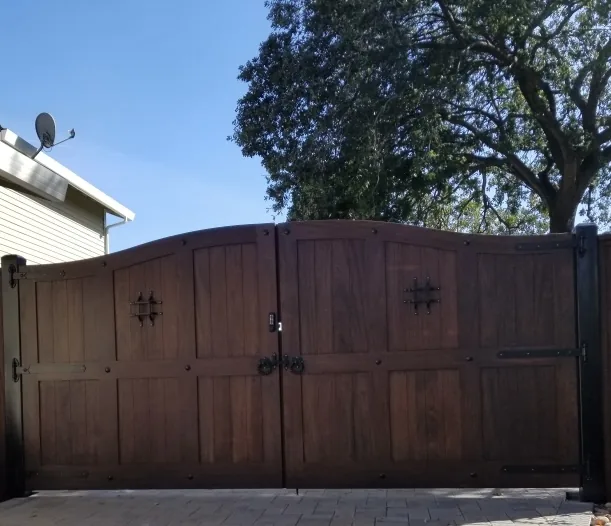
Driveway Gate Ideas: A Northern California Design Lookbook
A curated lookbook of driveway gate ideas organized by style — Modern, Traditional, Farmhouse, Mediterranean, Craftsman — and by material — Sapele mahogany, white oak, Ipe, metal inlay, and mixed wood-and-iron. Built from real Heartwood Gates projects across the Bay Area, Marin, Napa, and the Sierra foothills.
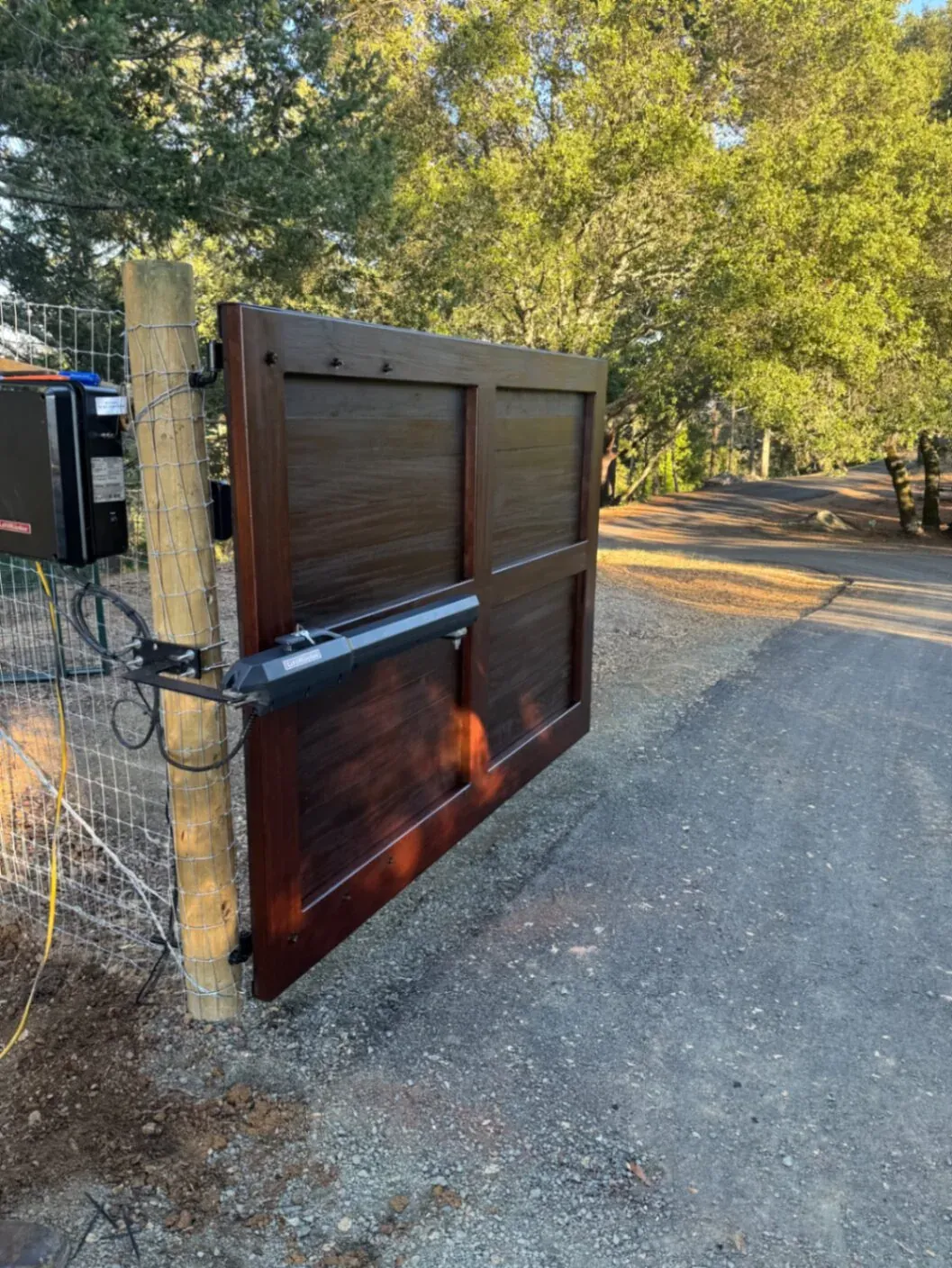
The True Cost of a Luxury Custom Driveway Gate in Northern California
A transparent breakdown of what a high-end custom hardwood driveway gate actually costs in Atherton, Hillsborough, and Woodside — wood, ironwork, automation, finish, and three real project tear-downs from $34k to $118k.
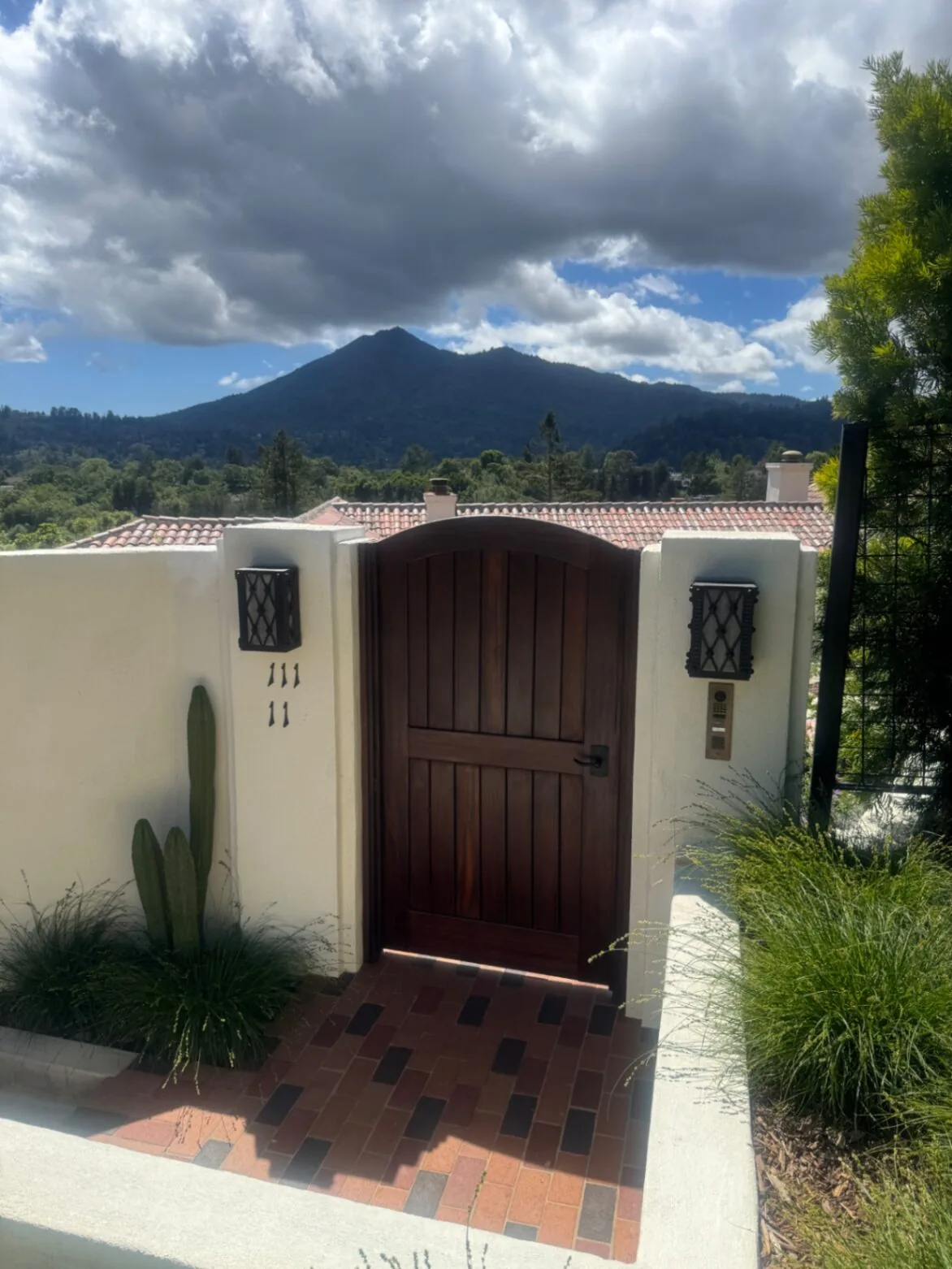
Atherton & Woodside Estate Gate Design Guide
Planning codes, setback rules, and four old-money design archetypes for custom estate gates in Atherton, Woodside, and Portola Valley — plus hardwood species by Peninsula microclimate and Control4, Sonos, and intercom integration.
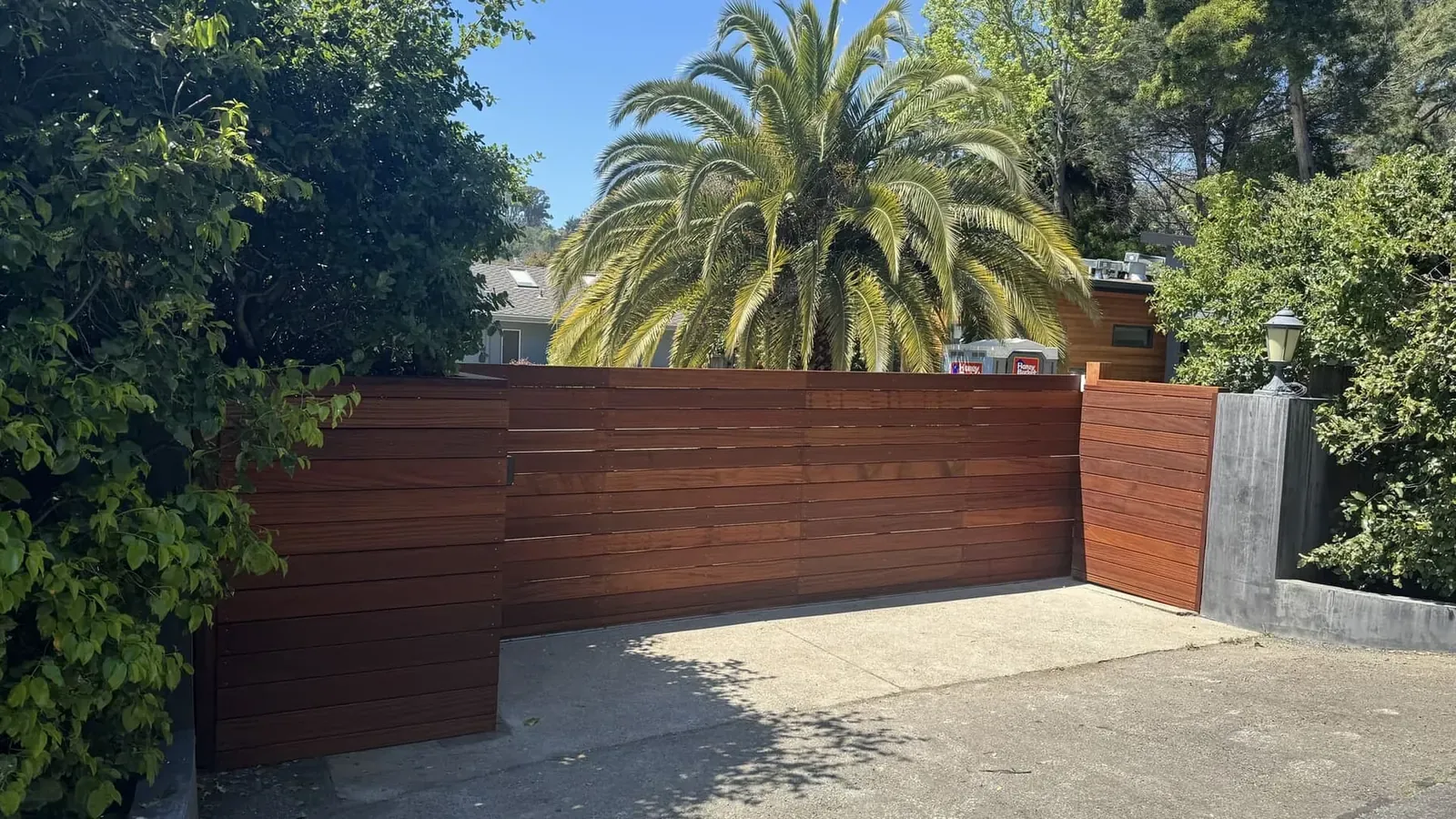
The Steel Sub-Frame and Sapele Cladding Method for Wide Driveway Gates
How Heartwood Gates engineers hybrid steel-and-hardwood automatic driveway gates that span 14 to 24 feet without sagging — a method we developed for estates in Alamo, Danville, and the Lamorinda corridor.
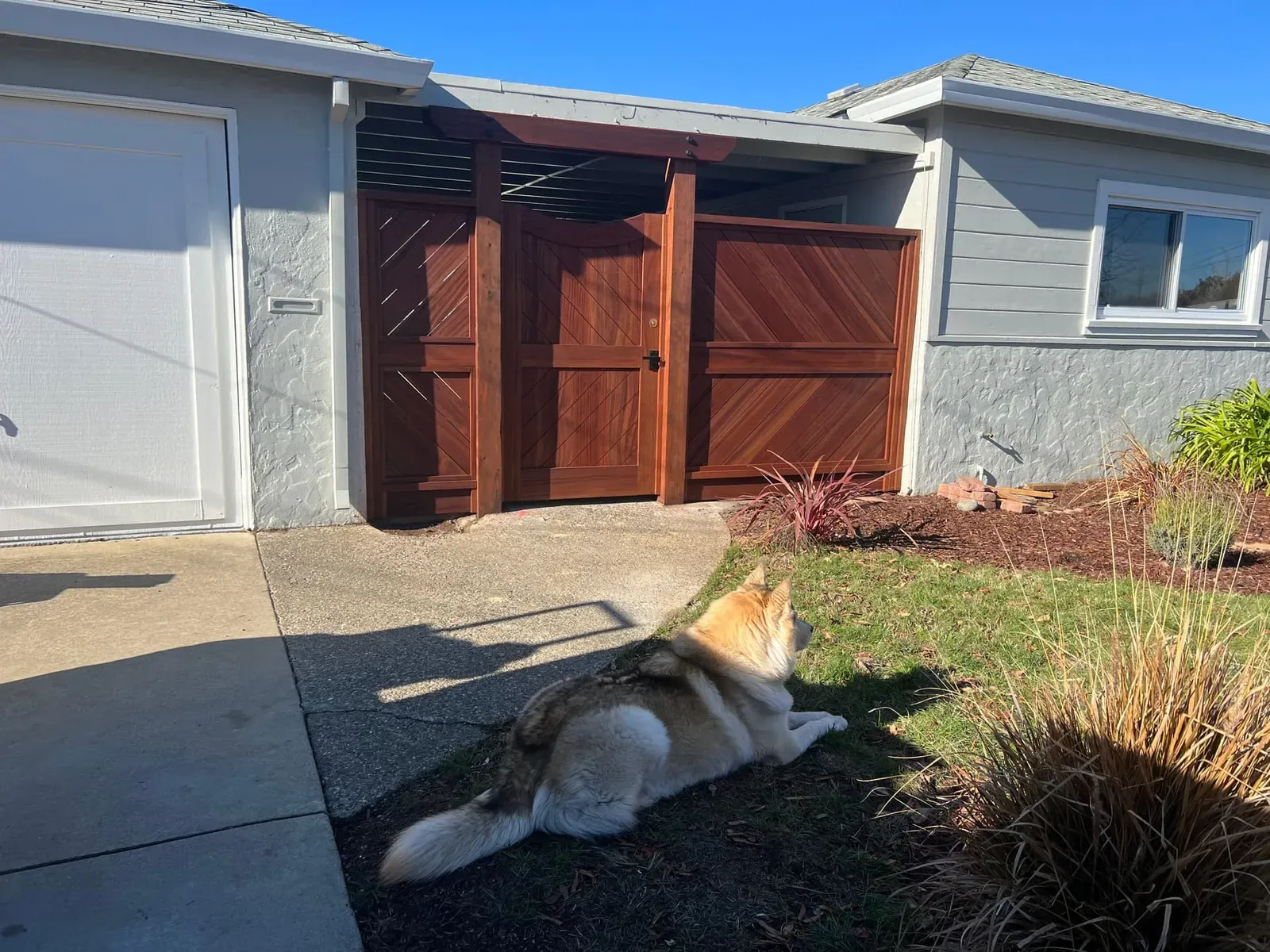
Floating Tenons vs Dowels: Why One Joint Lasts and the Other Doesn't
A side-by-side breakdown of floating tenons, dowel joinery, and pocket screws — what fails first on an outdoor gate, and what we choose in our Concord workshop for clients across Lafayette, Orinda, and Moraga.
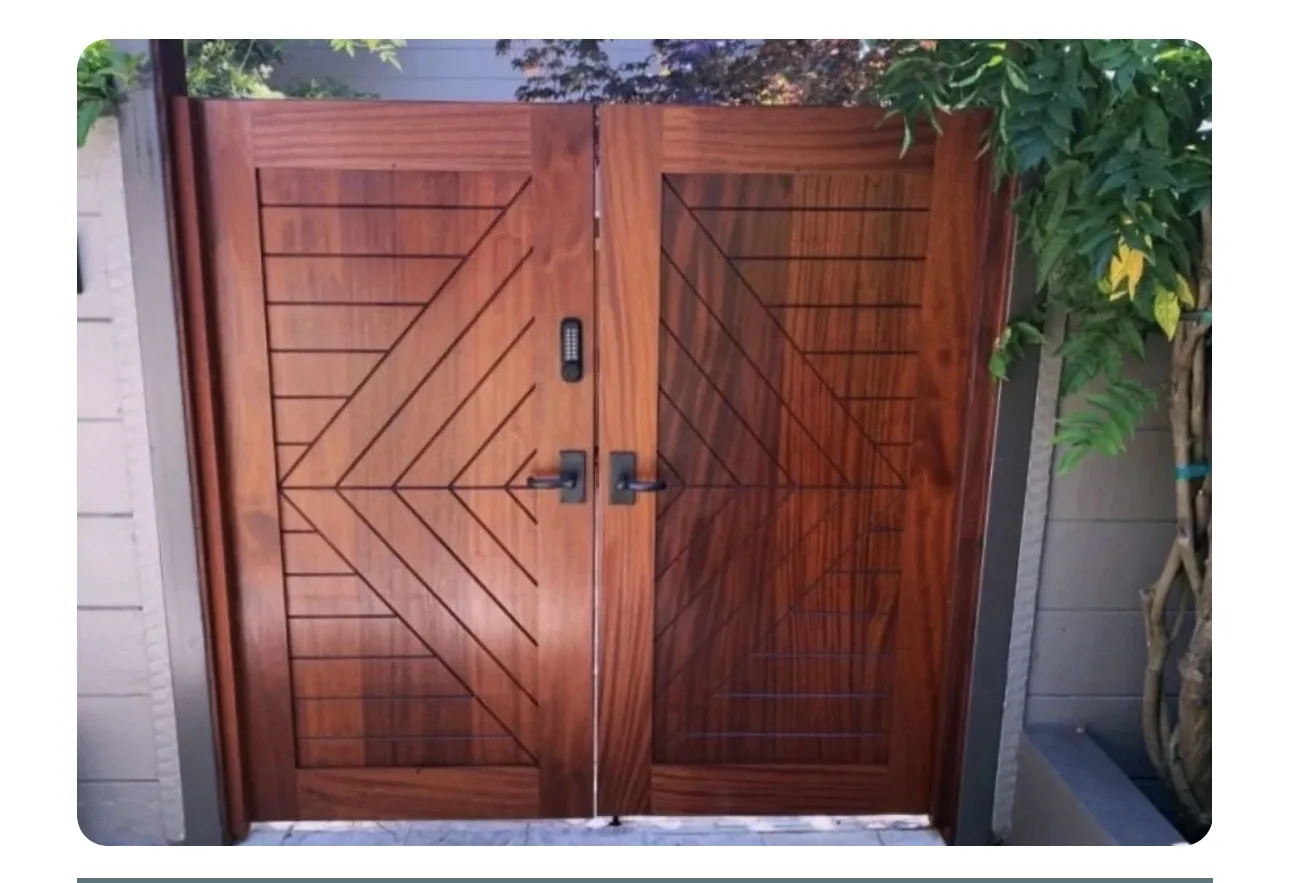
The Anatomy of a True Mortise and Tenon Joint in a Custom Gate
What separates a real mortise and tenon joint from a glorified dowel — and why every Heartwood gate frame is built on this 5,000-year-old technique.
Cantilever Sliding Gate Engineering for Hillside Driveways in Lafayette and Orinda
Why cantilever sliding gates outperform rolling and swing gates on the steep, narrow driveways typical of Lafayette, Orinda, and the Berkeley Hills — and how we engineer them to last.
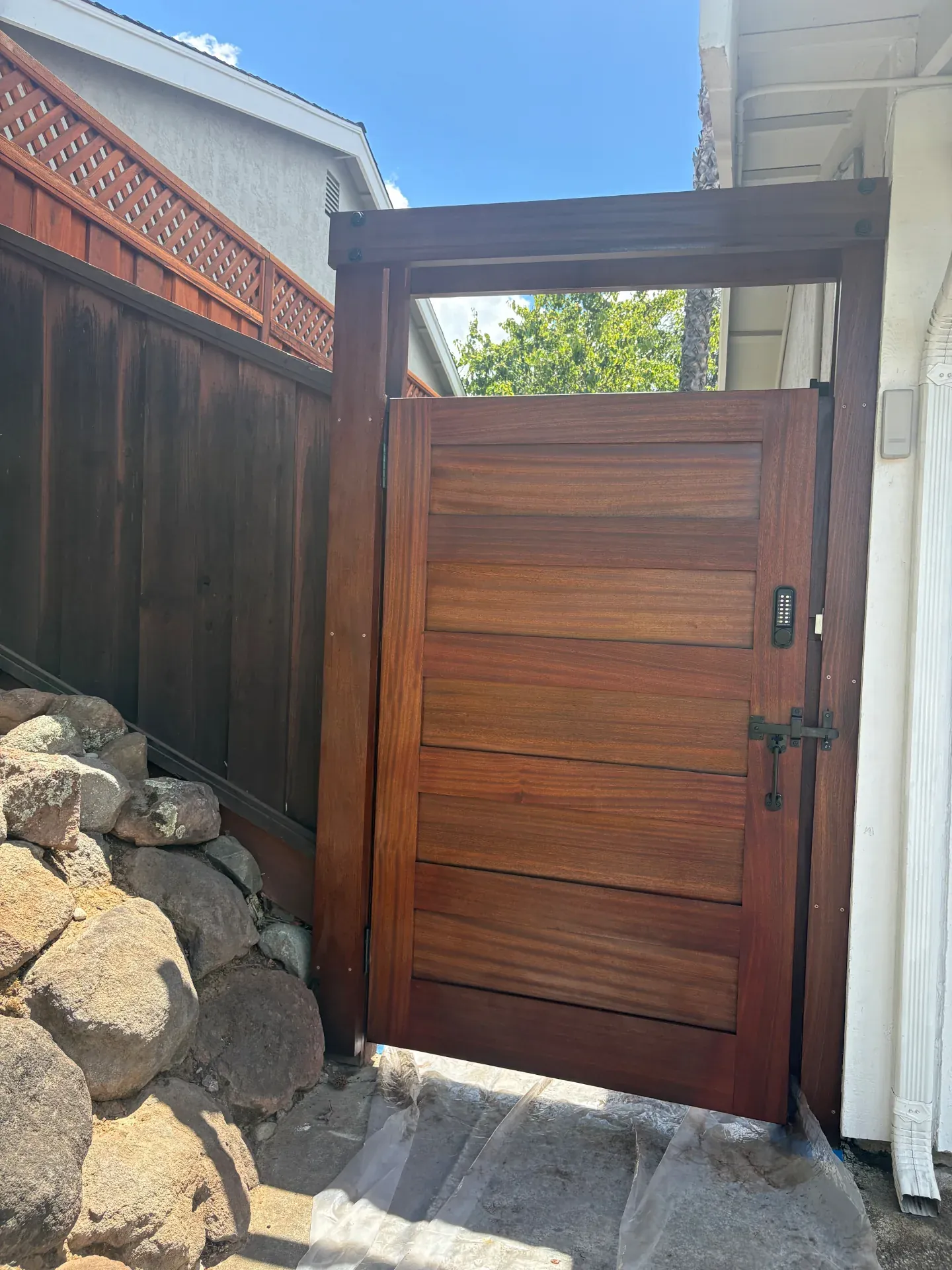
Wood vs Metal Gates: Choosing the Right Material for a Northern California Estate
A frank comparison of hardwood, steel, aluminum, and wrought-iron gates — what each does well, what each fails at, and which is right for your home in Walnut Creek, Piedmont, or St. Helena.
FAAC vs LiftMaster vs Viking: Choosing the Right Gate Operator for a Northern California Estate
A side-by-side comparison of the three operator brands Heartwood Gates installs — when each is the right answer for properties in Walnut Creek, St. Helena, and Piedmont.
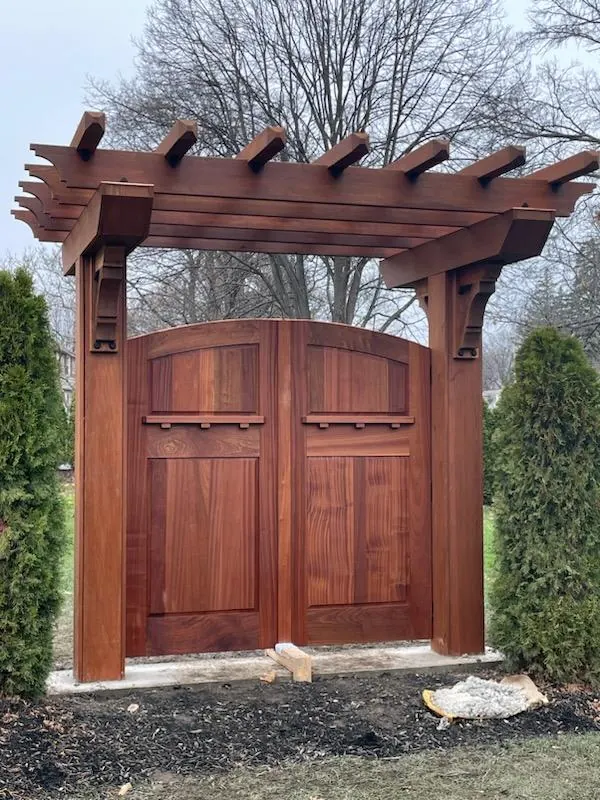
Pergola-Topped Driveway Gates for Napa and Yountville Wine Country Estates
Why an integrated overhead pergola transforms an automatic driveway gate into an estate entrance — and how we design and engineer them for the Napa Valley wine country.
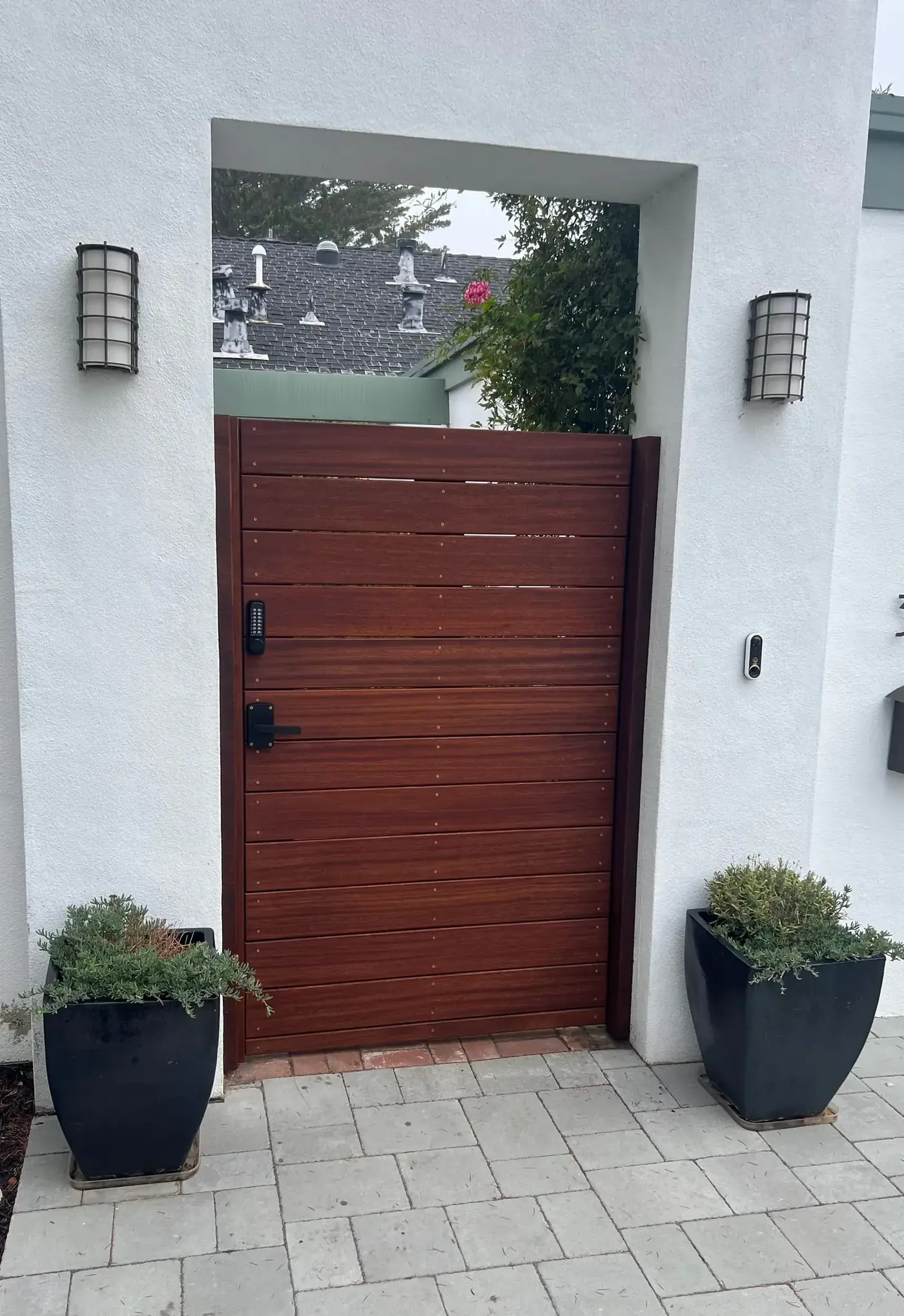
UL325 Gate Safety Requirements: What Every Homeowner Should Know Before Building an Automatic Gate
A plain-language walkthrough of UL325 — the safety standard that governs every automatic gate installation in the United States — and what compliance looks like on a Heartwood Gates project in Napa, Sonoma, or the East Bay.
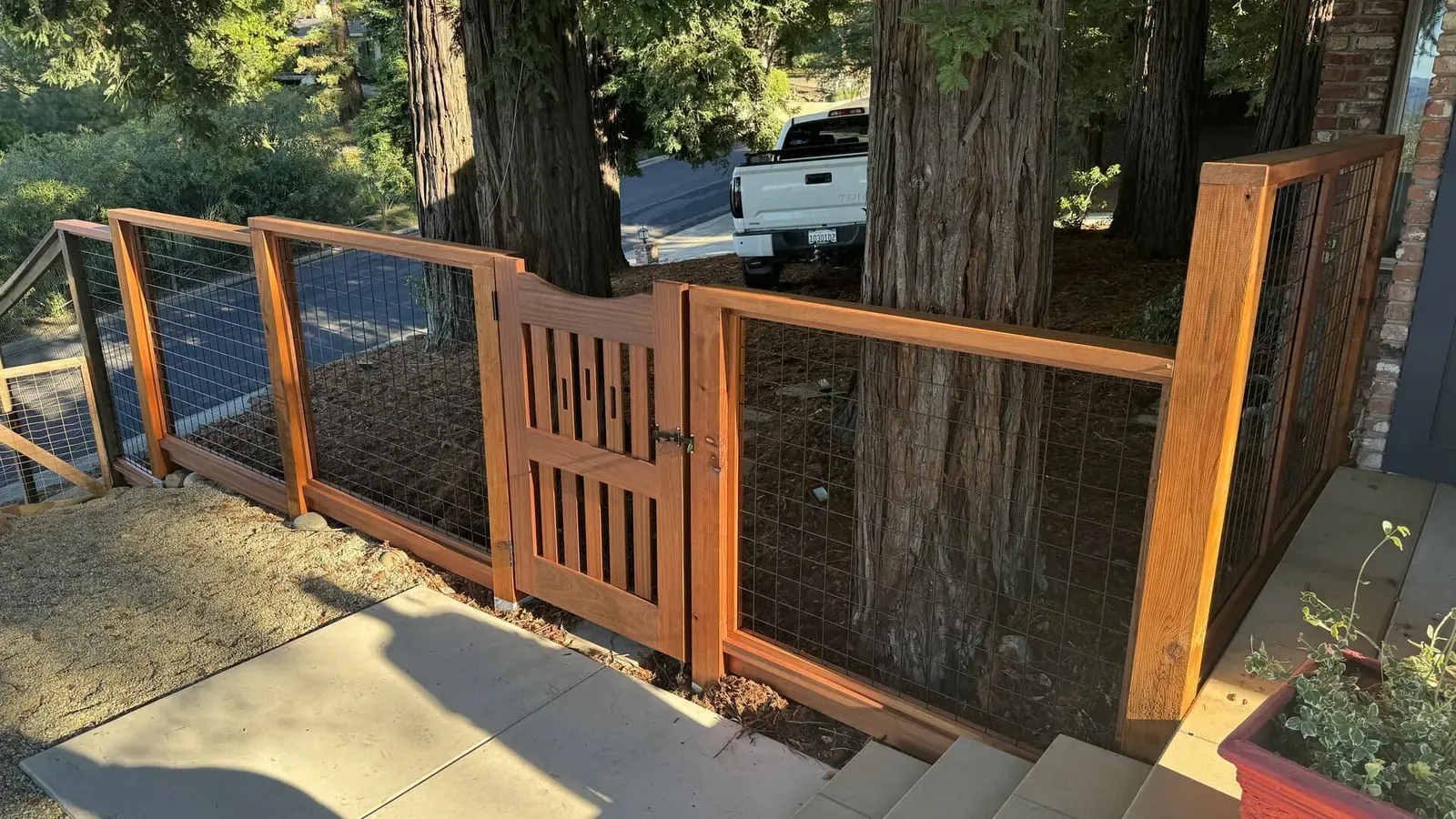
The Premium Finish System We Specify for Every Hardwood Gate in Northern California
Why Heartwood Gates specifies a curated finish system — Penofin, Armstrong Clark, Cabot Australian Timber Oil, Sikkens Cetol, Messmer's UV Plus, or TWP 100 — matched to the wood species, microclimate, and architecture of every gate we build.
Why We Mill Our Own Hardwood Dominoes (and How They Outperform Festool's)
Festool's Domino system revolutionized loose-tenon joinery. Here's why we still cut our own dominoes from kiln-dried Sapele and white oak for every gate that leaves our Concord workshop.
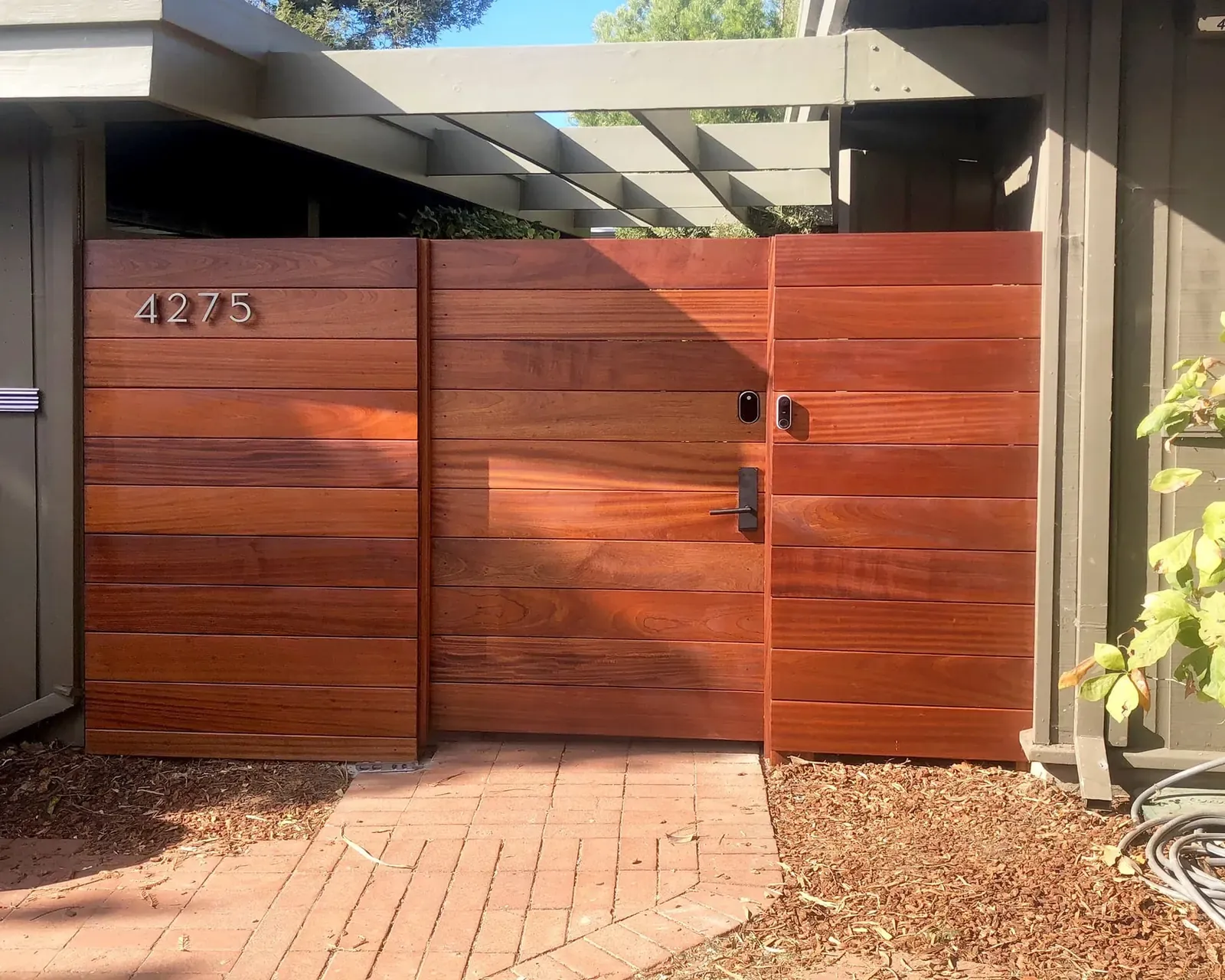
The Modern Horizontal Slat Gate: A Design Language for Piedmont and the Berkeley Hills
Why horizontal slat hardwood gates have become the default for contemporary remodels in Piedmont, the Berkeley Hills, and modern East Bay architecture — and how we engineer them so they actually last.
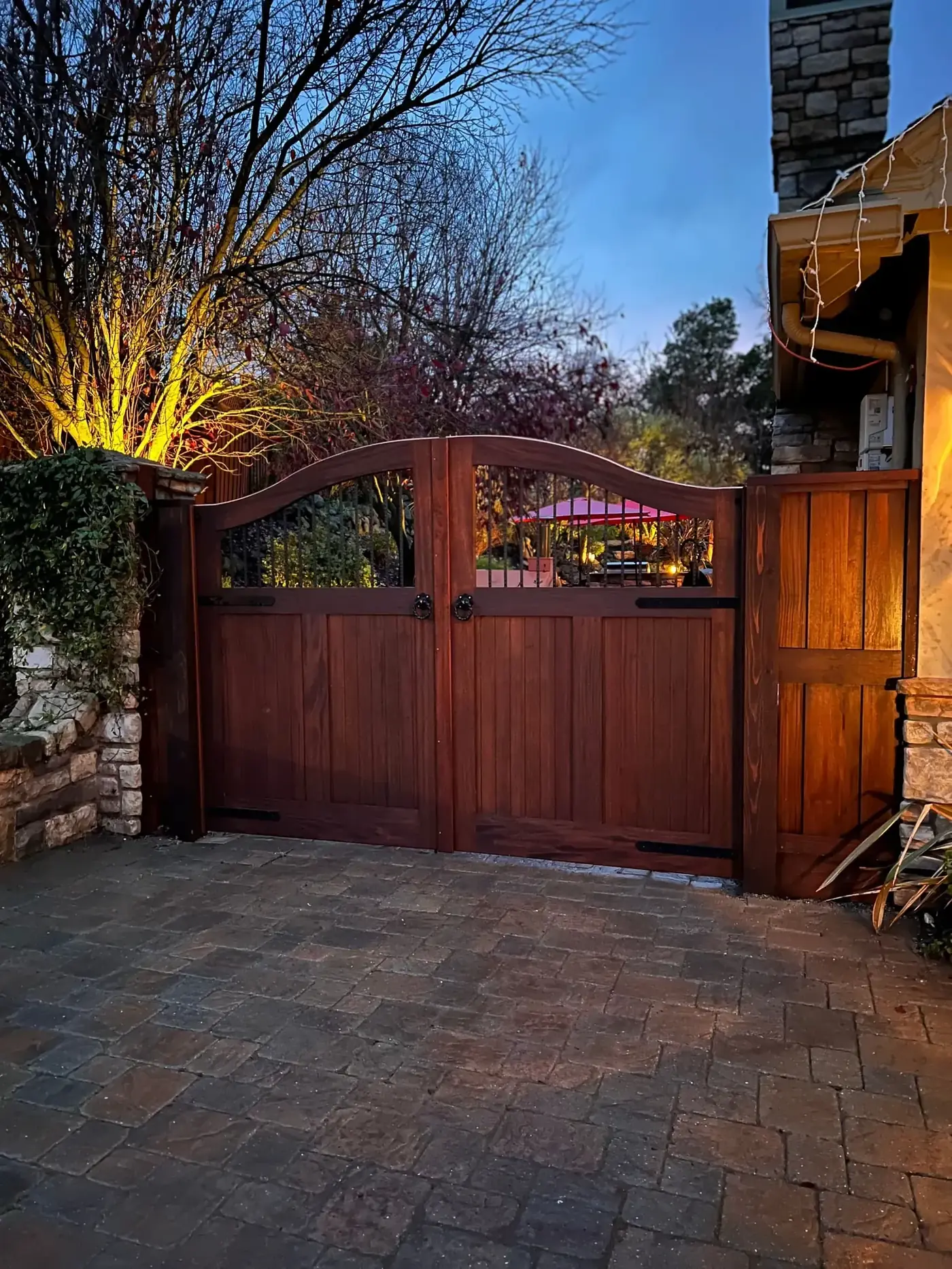
Why We Specify Hand-Forged Iron Hardware for Estate Gates in St. Helena and Yountville
The difference between cast-iron reproduction hardware and true hand-forged hardware — and why every high-end gate we build in the Napa Valley uses a forged hinge, strap, and pull.
Sapele Mahogany vs. Teak in Northern California Microclimates
Teak has been the gold standard for outdoor wood for a century. So why does almost every Heartwood gate get built in Sapele instead? A side-by-side comparison for Bay Area microclimates.
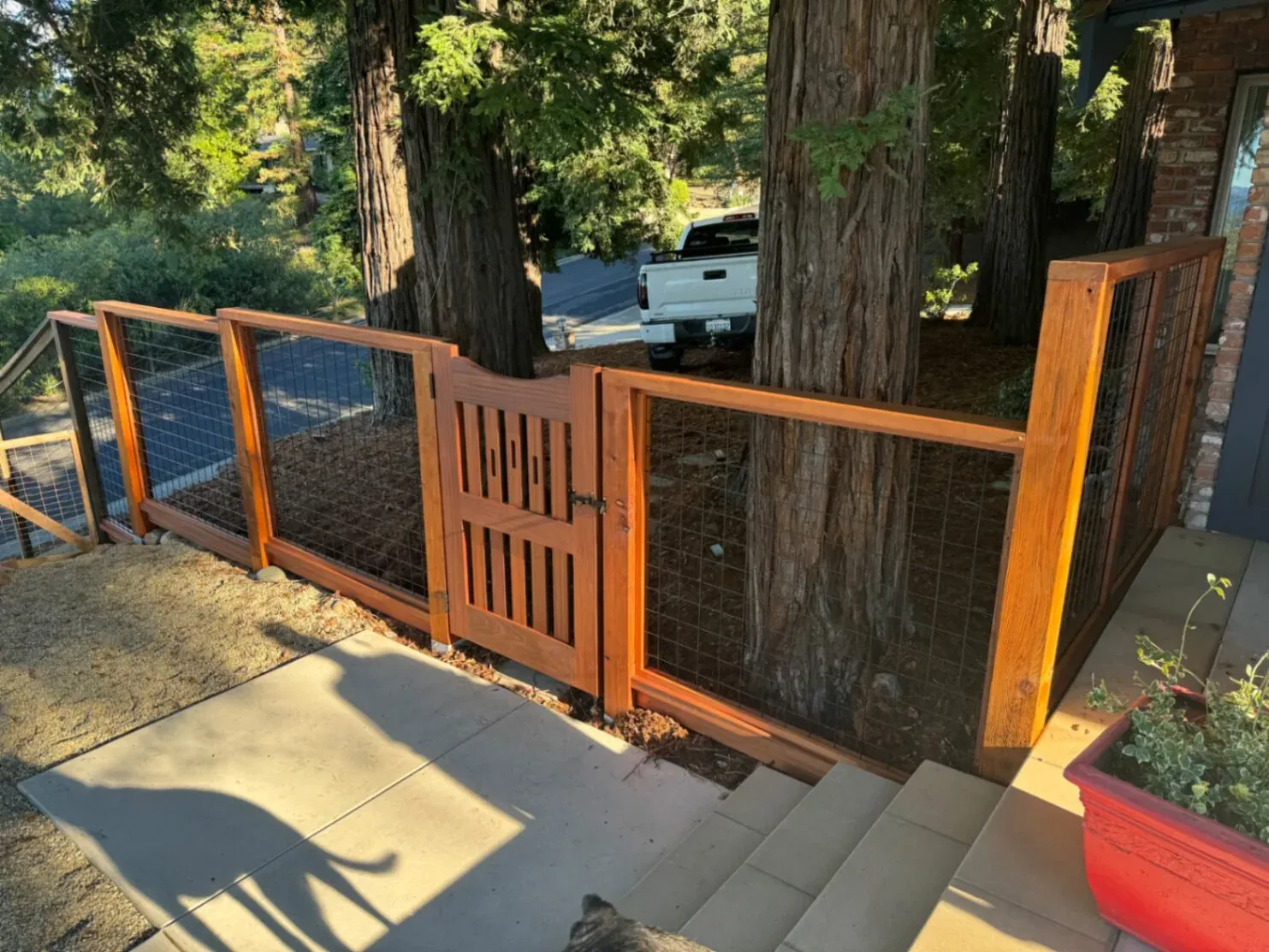
Redwood vs. Western Red Cedar: Which Softwood Wins for a California Custom Gate?
Two iconic Pacific Coast softwoods go head-to-head on dimensional stability, decay resistance, and finish retention for gates in Concord, Walnut Creek, and the North Bay.
Decorative Iron Scrollwork: Traditional Design Language for Estate Gates in St. Helena and Yountville
How hand-forged scrollwork, finials, and ornamental iron panels bring classical gate design to Wine Country estates — and where to use restraint so the gate ages gracefully.
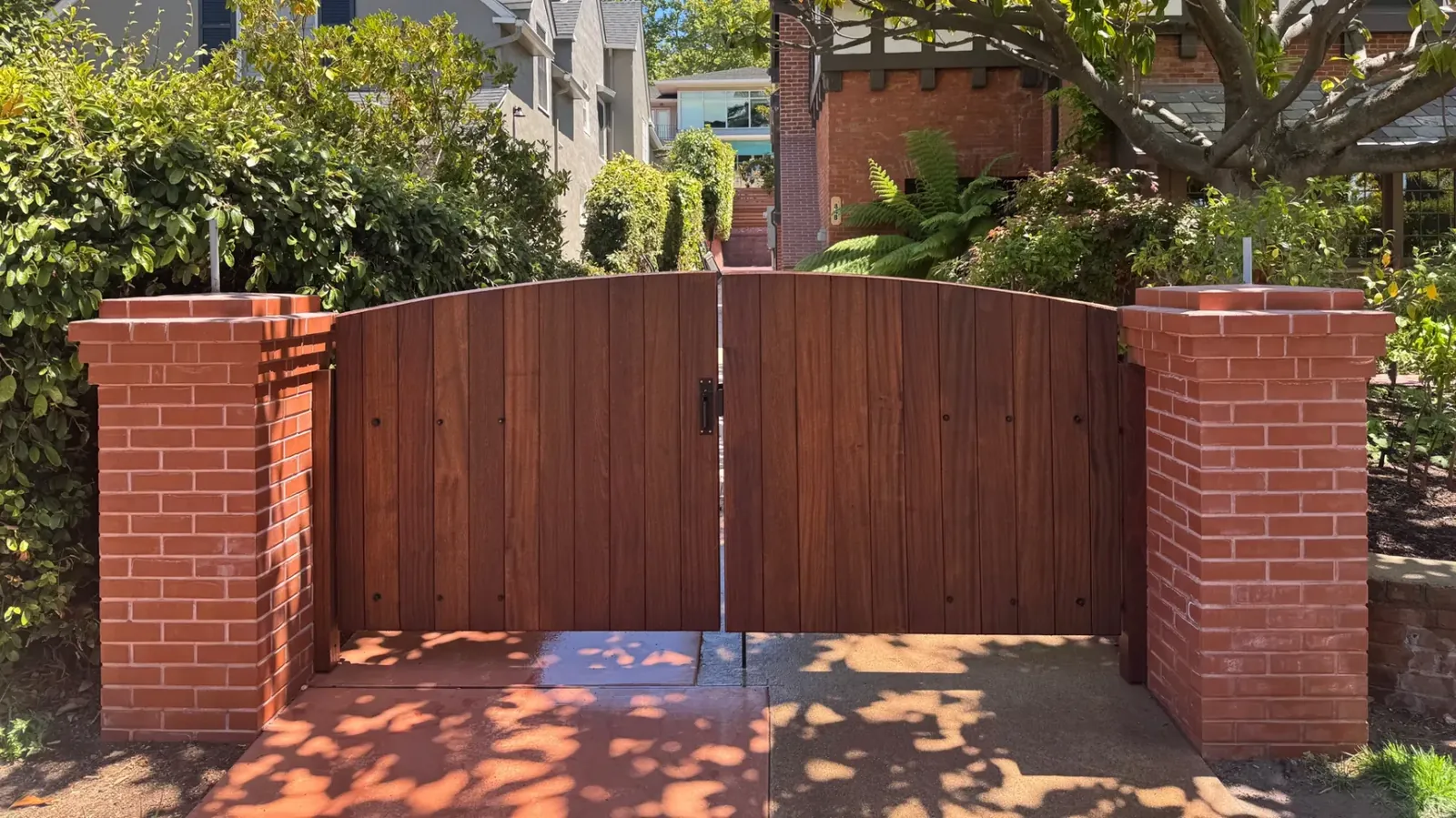
Why White Oak Belongs on Bay Area Estate Gates
Quarter-sawn white oak has held up wine barrels, ship hulls, and Stickley furniture for centuries. Here's why we increasingly specify it for high-end Piedmont and Berkeley Hills estate gates.
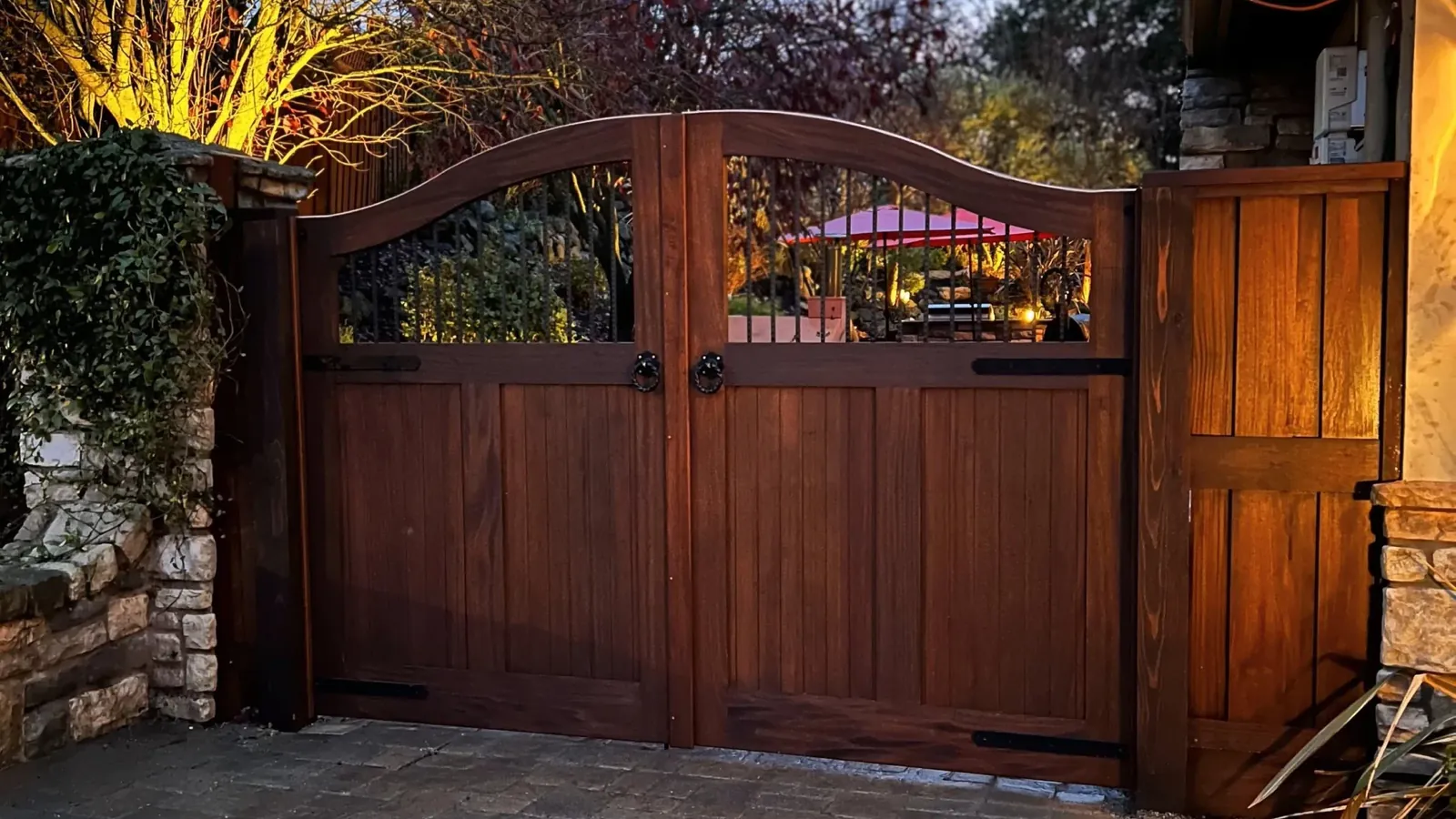
White Oak Deep-Dive: Quartersawn Grain, Rift-Sawn Stability, and the Right Finish for a Bay Area Gate
A technical guide to white oak selection for estate gates — why quartersawn matters, how rift-sawn compares, and which finish systems bring out the grain without trapping moisture.
A Microclimate Guide to Gate Design: From the Sacramento Valley to the Sonoma Coast
Why the same gate specification fails in Tiburon and thrives in Roseville — and how Heartwood Gates tailors wood species, finish, and engineering to six distinct Northern California climate zones.
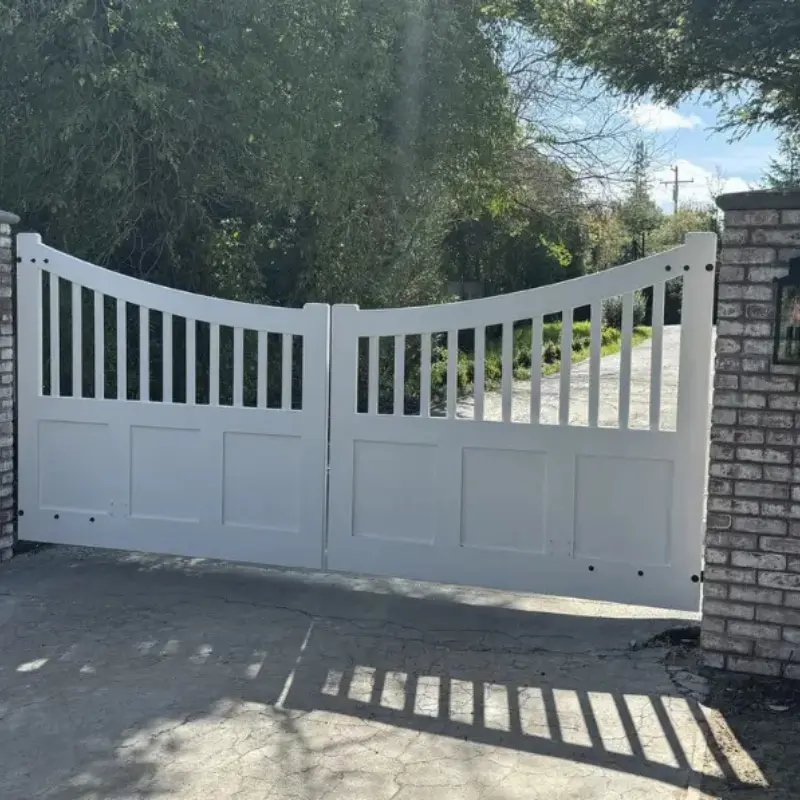
Bi-Parting Double Gate Engineering: When Two Leaves Are Better Than One
Why estate driveways wider than 18 feet almost always get a bi-parting design — and how Heartwood Gates engineers the center meeting stile, dual operators, and safety synchronization for properties in Alamo, Danville, and the Wine Country.
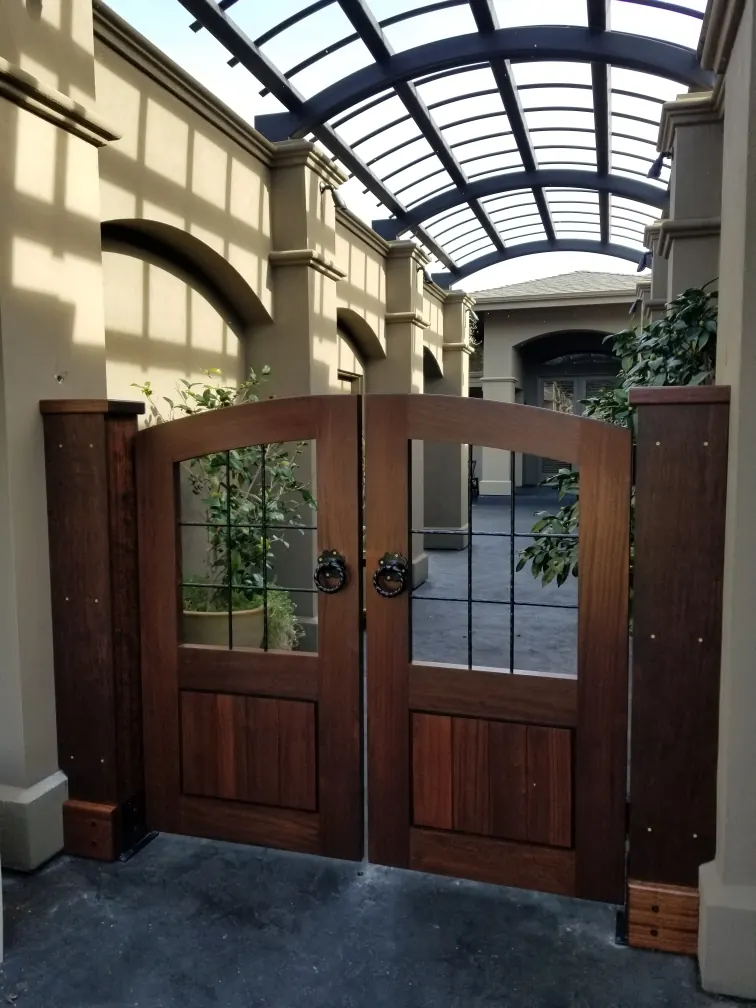
Decorative Iron: Forged, Cast, and CNC Steel in Modern Gate Design
Iron has been on gates for two thousand years. The question now isn't whether to use it — it's which kind, where, and at what scale. A practical guide for Alamo and Danville estate gates.
Sapele vs. Redwood: A 25-Year Durability Comparison for Walnut Creek Gates
Redwood has been the default California outdoor wood for a century. Here's what actually happens to it over 25 years on a Walnut Creek gate — and how Sapele compares in the same climate.
Western Red Cedar vs. Hardwood for Mill Valley's Fog Belt
Mill Valley's fog and humidity create a unique microclimate. Cedar is the regional vernacular, but is it the right choice for a 25-year gate? A side-by-side comparison.
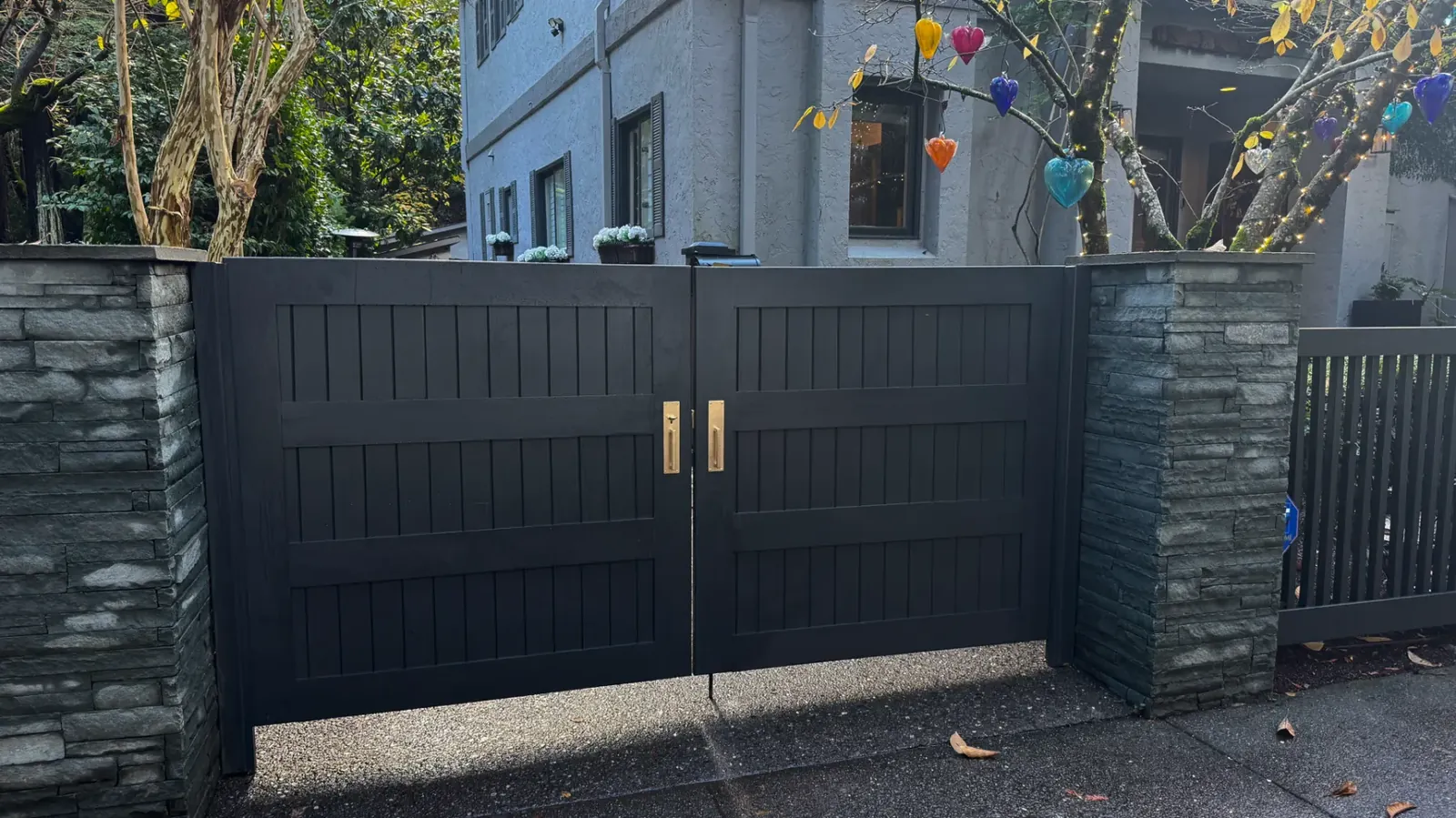
Ipe vs. Sapele for Estate Driveway Gates in Danville
Ipe is the densest commercially available hardwood. Sapele is our standard. For a 14-foot Danville estate driveway gate, which is the right choice?
The Case Against Pocket Screws: Why Real Joinery Outlasts Fasteners
Pocket screws are fast, cheap, and absolutely the wrong way to build an outdoor gate. A breakdown of what actually fails, when, and why Ross estate clients shouldn't accept pocket-screw construction.
Designing Waterfront-Resistant Gates for Tiburon and Belvedere
Salt air, fog, prevailing wind, and irrigation. Four problems that destroy ordinary gates within a decade — and the design choices that make a Tiburon waterfront gate last 30 years.
Let's design a gate that belongs to your home.
Tell us about the entrance you want to build. We respond same-day to consultations booked before 2pm, next business day after.